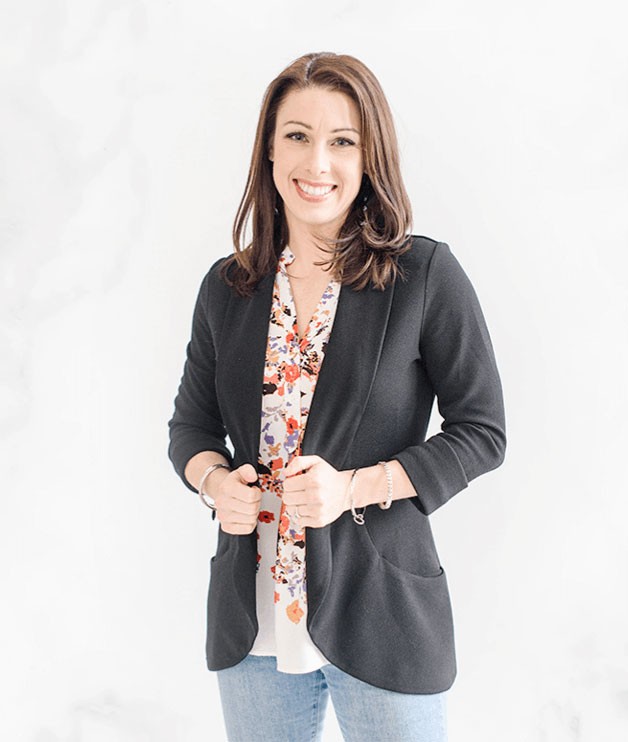
I was recently a guest on Northwest Construction’s WorkZone podcast to talk about nutrition! We dive into nutrition topics such as “sneak” eating, grocery shopping tips, nutrition tips and how to create habits that last, and more!
Riley:
We’re excited for this one. We haven’t had a podcast in a while. We’re back we’re back. Yeah. So construction is busy in Seattle. Oh yeah. Yeah. And that’s, I, that’s a good thing. That’s a great thing for us. We’re excited to get back into it and to go along with hot construction worker summer, we have Shelby McDaniel who is a nutritional specialist among other things especially with the mind, body approach.
Kelsey:
Yeah. Yeah. She’s gonna come and give us some tips, especially when you’re busy and you just wanna eat better, take a small step, prove your lifestyle, all of the above. She’s gonna be here and help us with that, those steps.
Kelsey:
With us today, we have a nutrition expert, Shelby McDaniel. We’re really excited to talk to you. Thank you for coming on the work zone podcast. Welcome!
Shelby McDaniel:
Thank you. Thank you. I’m excited.
Kelsey:
We’re very excited too. So just to kick off, so our listeners know a bit about you. We’re hoping you can just give us an intro about what you do. How’d you get into the field how many years you’ve been in it? Whatnot.
Shelby McDaniel:
Yeah, certainly. So I’m a nutritionist and certified mind body eating coach. So basically I help really frustrated individuals, overhaul things like binging, emotional eating a lot of chronic overeating, lifelong dieting struggles. And I really help them develop a healthier mindset and relationship with food and ultimately improve their health. I’ve worked with so many different kinds of people though over the years my career began in just kind of the general weight loss department and then advanced to competitive athletes, professional athletes, bodybuilders, and, you know, I’ve just always wanted to continue to excel and explore new realms of nutrition. And so finally, I, I kind of got to the point where I wanna have the biggest impact possible. And so that’s basically what I do now is really big life changing transformational work. So it’s way more than just here’s a meal plan kind of thing. Sometimes it’s, you know, my clients, they don’t know what to call me or explain what I do. So I like to tell them, I’m kind of like a combination of Dr. Phil Jillian Michaels and Tony Robbins. <Laugh>
Shelby McDaniel:
Have to wear all kinds of hats, I have to this life, coach hat, I have to wear this nutritionist, hat and counselor hat. I’ve always been drawn to this kind of work. I was an athlete my entire life. So like many I’m really drawn to the health and fitness industry, but today with what I help people with, I’m also really passionate about cuz I battled my own issues with food myself, especially during my time as a professional, athlete myself. So I’ve been doing this now 20 years. I feel really old telling that <laugh>, but I’ve been doing this 20 years and I’ve been online now for 12.
Riley:
Cool. Yeah. And I like, I like that approach. You’re describing yourself as all those people. Right. Cause it, it’s not, it’s not just, it’s not just one thing. Right. I mean, it’s not just, oh, Hey, I’m gonna eat a salad today and that’s gonna be great. Right. Like there’s a lot of change you gotta maketo grow from an unhealthy life to a healthy lifestyle.
Kelsey:
Yeah. I think if it was easy, everyone would do it. There’s so much more to it.
Riley:
Yeah. So yeah. I mean, going off that, right. I mean, you know, we all know we gotta be healthier, but why, why do you think nutrition is, is important to talk about and have these conversations?
Shelby McDaniel:
Well, I mean, if we really look at health as a whole health involves both yes. Our physical health and our also our emotional health, right? Both our physical and emotional wellbeing and nutrition doesn’t just impact our physical health. Right. It also impacts our emotional health and we don’t think of nutrition as serving in that department too. So ultimately, you know, we are the ones at the end of the day, responsible for, for how we do take care of ourselves as a whole, right? Like not just on the nutritional front, but mentally, spiritually, intellectually, because without our health, we’re not going to work. We’re not gonna be the best spouse, we’re not gonna be able to contribute to our relationships or community and things that are important to us. So, you know, but like we were just talking right, talking about nutrition in regards to just what we eat and carbs and macronutrients and antioxidants or so forth, they’re vital.
Shelby McDaniel:
Right. But knowing what we eat and what foods are healthy and others are important. But I have learned that what we eat is only half of the story of having good nutrition, because like you said, many factors roll into how we do food. You know, life emotions, we have some things maybe in our past or personal kind of inner world, it influences why we eat and, and also what we eat and, and how we do food as a whole. And you know, in, in just doing what I do, I really discovered that 50% of Americans really struggle with what we call their relationship with food. And these are, again, the individuals that I work with. And I know in my experience, my clients, they know what foods are higher quality, right? Like they know, they know I should be eating this. I know this is a better choice than that, but why isn’t that enough?
Shelby McDaniel:
Right. To get them to apply that sustainably. And it’s because, you know, we’re really bombarded a, a lot of times by the diet industry media about dieting and weight loss after years of dieting, many of my clients they’ve been dieting for decades. And so we kind of get away from food, just being food. And we really develop this kind of black or white thinking around food. Many individuals struggle with a lot of fear and anxiety around food where there’s a lot of restriction and sort of binge cycles and emotional eating going on and a lot of distrust right. With one’s body. So knowing what to eat again is important, but it’s not gonna in resolve those things that also influence how we do food. Does that make sense?
Riley:
Yeah. Yeah, totally. Absolutely. Yeah. I mean, I think of like how many, how many fad diets are out there? Like how many, you know, I’m,32 and how many like fad diets have I tried for like a couple weeks?
Kelsey:
And like the quick fixes.
Shelby McDaniel:
Exactly. So it’s hard to be healthy and feel good emotionally, if you don’t have a healthy relationship with food, you can know all there is about nutrition. I did too. Like when I was having my food struggles, I was teaching about nutrition. You know, like most people know what to eat for the most part. Right. So if we can get a relationship with food figured out, then that gives someone the best chances to really achieve optimal physical and mental health that really defines health.
Kelsey:
And this is gonna be kind of a loaded question after this whole, your answer to that, but what does optimal health and nutrition look like to you?
Shelby McDaniel:
That is a loaded question. <Laugh> so, so I’ll, I’ll try to break it down a little bit. I think optimal nutrition, we’ll start with nutrition for a sec because optimal nutrition is kind of part of the broader, optimal health, right? Optimal nutrition, I think. And it’ll probably the opinion of other professionals as well is eating mostly non-processed foods. Okay. That’s part of it. Any practitioner will encourage that, but it also, I believe includes eating according to your body, hunger and fullness cues eating for satiety. Yes. Eating for nutritional needs, any medical needs, but it also includes having a balance, right? We’ve gotta have some balance in their moderation, but without, you know, the guilt and shame that many, many people silently struggle with. So that’s sort of my, I would say definition of optimal nutrition, but optimal nutrition. Doesn’t define total optimal health, right?
Shelby McDaniel:
It’s not optimal health. Isn’t just defined by what someone eats. And you know, we really wanna look at a person as a whole emotionally and physically. So, you know, even that said having a low weight doesn’t even necessarily qualify someone as healthy because you can be healthy and fit at sometimes a higher weight and you can be unhealthy at a lower weight. Right. And so nutritional eating patterns amongst individuals are just gonna vary. So everybody’s bodies are different, but I believe optimal health does include op optimal nutrition, but it also includes emotional wellness, positive sleep hygiene and physical activity. And, and that’s why that’s, it’s a loaded question because there have been some arguments right. About what’s the true definition of health <laugh>. Yeah. So, you know, in, in my perspective, if you’re emotionally happy, you’re physically healthy in terms of your labs, right? If you’re engaged, proactively and positive self care processes, if all those boxes are checked, that’s what I consider optimal health and wherever your weight falls, it falls as long as those boxes are ticked.
Riley:
Yeah. Yeah. And I, I just kinda wanted to touch on like knowing your bodybecause I know for me, hunger disguised says thirst is a big one for me, but like what are other, some other cues or coverups, like what thirst versus hunger, right? Like that we could judge in our bodies to, to build off of,
Shelby McDaniel:
Oh, you know, this is a big area that I really work with my clients on personally. And there’s three big areas that I find why we eat is due to some other reason and we call them triggers. Right. So you just mentioned a physical trigger thirst other physical, I would say top triggers would be fatigue. That would be a big one. Sure. Maybe you’re not feeling well. Like I have many clients, if they have a stomach ache or they have a headache, they just want to eat to soothe. We also have environmental triggers like, oh, I saw that person eating it now I want it kind of thing. Or I saw those cookies on the counter and now I just can’t stop thinking about them. But I, I think I would say the biggest trigger of all is emotional triggers and that’s where we’re eating because we’re stressed or we’re eating because we’re bored or we’re eating because we’re anxious.
Shelby McDaniel:
Right. We’re eating because we’re restless. And so those emotions can also mask our hunger cues. But I’ve also discovered just to add to that, that we don’t even sometimes give ourselves the time of day to even tune in. Hmm. And just like stop and ask that question. Am I even hungry here? Like what’s going on? And that’s where you have to start. So if you find that, you’re just kind of going through the motions with grazing and eating foods all day long. This is a big tip that I give my clients. But if you find yourself having the urge to eat, just pause and ask yourself, am I hungry? That at least gives you a chance.
Shelby McDaniel:
Yeah. You know what, maybe I’m just thirsty, but we just go like a thousand miles an hour during the day and we don’t even give it a second thought. And it’s also, you know, we don’t even take the time to eat half the time we, we put it off half the time we, you know, we don’t prioritize it or, you know, we just think of the things, you know, you have to do this first in order to get, to give yourself the allowance to eat. And, and so again, it’s like, we just keep ignoring it and it that’s, what’s so profound, you know, people join me and they think they have, you know, a lot of big problems and, and just me, many people do don’t get me wrong, but sometimes it’s just a matter of teaching them how to initially tune in to that initial. Why am I even eating in the first place? It’s like all of a sudden, Hey, those cues have been there the whole time. I didn’t even realize it. You know? So that’s hopefully helpful for some of your listeners that are eating really fast. They’re not, they’re just not even paying attention at all.
Riley:
Yeah. Yeah. Well, yeah. I mean, the triggers you describe, you know, I’m thinking about the construction industry, right? So you you’ve got long hours with high production. So even taking a water break is sometimes not even on the radar, right. And maybe you eat your lunch or maybe a work through your lunchbecause you gotta get the do job done. And then definitely the emotional side, right. I mean, out, out in the field, these guys are putting 8, 10, 12 hour daysyou know, breaks, seeing families limited issues at home. It all sounds like things that really apply to our industry.
Shelby McDaniel:
Absolutely. Yeah. And it’s really hard too, if you, if you are working in a high stress environment, which I mean, you could probably ask any human, do you feel stressed at work? And they’d say, yeah, but you know, I think construction for sure is a whole other game, right? It’s a whole other playing field and that’s what makes it difficult sometimes to be able to tune in is because stress really deregulates your appetite. Right? Deregulate it deregulates it purposely because if we, if we kind of go back to hunter gather days, right. Where our stress was, that was our our alert system, right. Where’s the tiger coming from. Who’s gonna come after me and try to, you know, hurt me and my family kind of thing. And so when we’re stressed our body, deregulates our appetites. We’re not distracted by hunger. We’re not distracted by, you know what, maybe I should go eat that thing instead of being on guard to protect myself.
Shelby McDaniel:
And so that’s also can happen even in today’s world, even though we’re not, you know, hunters and gathers anymore, we got deadlines, we got projects we gotta complete. And so it’s very easy to, literally not feel those cues. And that’s where, you know, with my clients, I really have to build mindfulness about those kinds of things and help them get on a little bit more of an intentionalsort of regular means to eating, like make sure that you maybe you have to set an alarm, you know, to remind yourself to check in. Maybe we need to make sure no matter what, if you’re not feeling anything by this point, you still need eat anyway, because when you do relax, you’re binge eating later in the day. So that’s definitely a big one.
Kelsey:
Yeah. And to that point, so what are some eating habits that we should strive for? Like in terms of how oftenwhat times, like, are there certain things that are better than others?
Shelby McDaniel:
Well, I would say so, especially individuals in your industry- they’ve got long days, and they may be limited in terms of break times and lunch hours and so forth. So I would say for them, it would make sure that you eat before you go out the door. And because if there was gonna be one time of day that, I mean, you can’t mess up You know, you can’t mess it up because your body’s gonna use what you put in there. It’s that first meal of the day, right. It’s like getting up, let’s say you were camping, you know, outside overnight, you get up and your fire’s out from your campground. What do you do? You gotta start putting logs on that fire or to get things going. That’s kind of like how your metabolism is in the morning.
Shelby McDaniel:
And with that, if you’re not fueling that fire, you’re also going not going to think to your full potential, right? So your energy levels, aren’t gonna be as great. So eating in the morning is great for all aspects of health, energy metabolism, weight, et cetera. I think most people, they think, “well, I haven’t eaten in the morning for years or “I don’t feel like eating” and maybe they don’t feel like eating in the morning because they had a super big meal late in the day prior. Their entire eating rhythm is kind of off. Sometimes you do have to kind of reset that and it might feel a little unnatural at first. So I would say for most individuals, eating more meals earlier would benefit pretty much any human. There isn’t necessarily how many meals per day should an individual eat, because that really can vary . There are people that will have two, very well balanced meals a day and they feel great.
Shelby McDaniel:
And other people, however, like me, I would feel like I’m dying on two meals a day, you know. So it really depends on what I like to call, “complaints”. What are the existing complaints that an individual is having that may require us to look at what we call the eating rhythm? And if somebody is, Hey, I’m gaining weight and I don’t know why, why, and they’re eating mostly late in the day and their biggest meal is late in the day. Then that would be a great example to, you know, take the advice of, you know, what, let’s flip some things around. Let’s get a nice meal before we go out the door in the morning, maybe have some snacks in my cab or wherever, you know, they’re out on the work side in your pocket, if you have to.
Shelby McDaniel:
So you get a little bit more in a little bit sooner in the day. But if an individual let’s say is eating two meals per day and they’re not having any complaints, then we don’t need to go after that. Sure. But most people I find don’t eat enough in the first half of the day and they need a little bit of resetting work to do here. And even if they do eat earlier in the day, oftentimes it’s not high quality either. So it’s like, they’re just eating stuff, not really fueling their body very well. So for, for most humans, they would benefit from having again higher quality food earlier and just eating earlier in general. And when somebody is just starting out, let’s say for me, I, you know, I have to take each case independently, but three meals per day I think is pretty safe.
Shelby McDaniel:
It’d be pretty safe. Like you probably can’t go wrong with that. Suggestion. Does that mean you can’t win with four or five small meals per day? No, absolutely not. But if you’re looking to just, what’s a step for me, I would look at what are you eating the first half of the day? Does it make sense maybe to have a meal earlier and, and you can sort of recondition that circadian rhythm. And I like to put it like this, think about if you got a new job that required you to get up at wee hours in the morning and you’re not used to getting up at we hours in the morning, right. How would you prep your body to be prepared for that? You would say, okay, you know what, whether I feel like it or not, I’m gonna go to bed at a certain time.
Shelby McDaniel:
And whether I feel like it or not, I’m gonna get up at a certain time. And what happens is after you do that, a couple times, your sleeps are and rhythm starts to adjust, right? It’s like, okay, I’m ready to go to bed early. I’m ready to get up a little bit earlier. It’s the same. We have actually what’s called a nutritional bio circadian rhythm. Hmm. And so sometimes we need to reset that as well. So if you, if you’re looking to do that because you have some existing complaints go for it, just know it’s expected that it’s probably not gonna feel real natural right away, but it will get more natural. The more that you continue to practice that new rhythm.
Riley:
Yeah. It, it kind of makes me think ofI know I’m super guilty of this, as a term I, I recently learned, but sneak eating. When I go to bed at night, I convince myself that I’ve had my three meals a day, you know, cause, but I don’t think about, “oh, I went to the gas station and I got a corn dog in my truck. Right?” And I’m like not having that consistency because I’m sneak eating and I’m convincing myself. I’m not, you know, taking in calories.
Shelby McDaniel:
So what is sneak eating? Is that something like, you don’t want other people to see what you’re eating?
Riley:
Yeah. Like it’s a little of that. So it’s like, you’re, you’re eating when other people aren’t around. Or let’s say you have your meals with other people, but then you like, like in my case, after work, I may go to the gas station and fuel up and I might buy a snack or something that’s inconsistent when I would normally eat,and I eat in my truck so that nobody can see me.
Shelby McDaniel:
That’s really interesting because you’re experiencing some sort of like guilt and shame with that, right? And it’s like, why are we morally bad? Because we wanted something fun? That also goes into what we teach about, which is just balance, you know, like whatever you’re gonna have it, just enjoy it. There’s not one food, right. That if you have that one food, you’re automatically gonna gain weight overnight. If you have that one food, that one time that you’re going to feed the cancer cells into your body. But we just, we live in such a all or nothing society now. Right. It’s like instant gratification. If we can’t do it all, we can’t, you know, get our success and such a short period of time. It’s like, forget it. We don’t need to do that. If you want something. Okay. But we also have to be responsible in the big pictures. How is everything else balanced out? If we eat corn dogs all day long, then we’re probably gonna have some problems, It’s all about the balance.
Riley:
Yeah. I think that’s, that’s a good thing to transition in. This is quality of food, nutrition tips, and what we’re putting into our body cause I just gave my example and I know a lot of guys in our industry are getting food where they buy their gas. Or are hitting the, the drive through so how important is quality of food and I’m curious to know about foods that reduce that hunger as I go through my day?
Shelby McDaniel:
If we’re looking to prolong our health and have a more productive day, we’re looking at what we call high quality foods. And what does that mean? It means not tainted by man for the most part – REAL food. And sometimes, you know, individuals are taught a way to eat their whole life, you know, because of their parent and how maybe mom or dad or other influential member of the family ate growing up. And so that was passed along. And so taste buds evolve opposite of where we want them to go. Our taste buds though can be retrained, that’s the good part. Some people will say “oh, well I don’t like this. And I don’t like that.” Well, you don’t have to like every single, healthy food you don’t, but I’m sure there’s something that you DO like.
Shelby McDaniel:
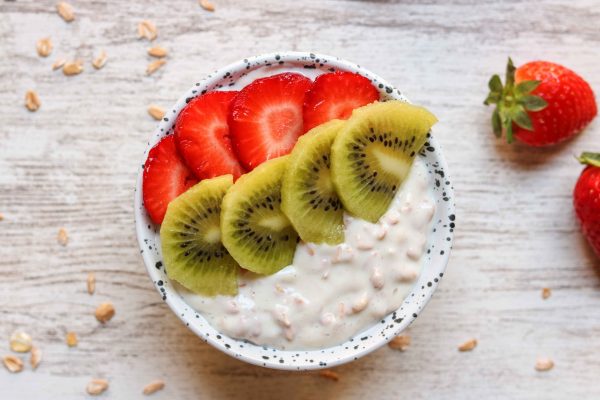
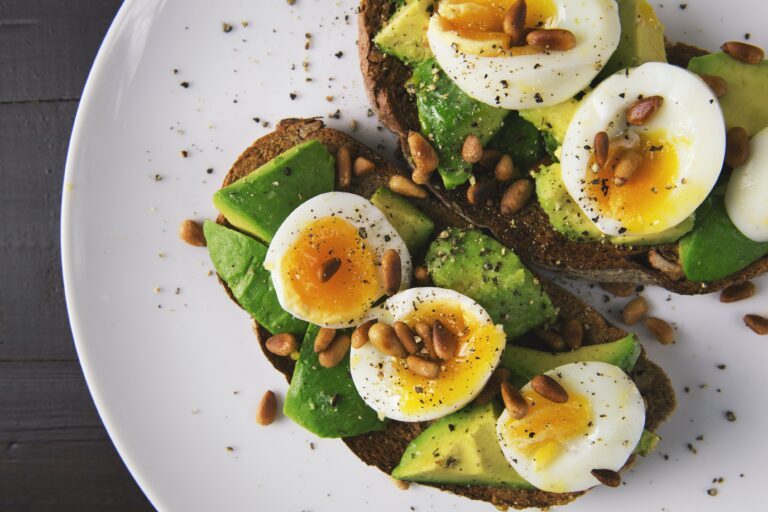
When we talk about high quality, we’re talking about like real meat or fish, we’re talking about fruits and vegetables that you enjoy, same with meat or fish. We’re talking about things like nuts and seeds. Okay. So not like the nuts with all of the M and M’s and all of that stuff. I mean, I could just like eat that for days, but you know, it’s, it’s just not gonna be the best foods for us because things that we tend to buy that are processed, like the corn dogs chipsthings that are very readily available and cheap at the convenience store, they usually have a lot of what we call added sugars and that’s really something that we wanna keep our eye on are the foods with added sugar. You can literally look on the label and it’ll say added sugars.
Shelby McDaniel:
And I would just try to steer clear of the majority of them. Not that you can’t ever have something like that every once in a while. We definitely don’t want to promote avoiding something in its entirety for the rest of your life. That sucks. Who wants to do that? But if you’re having a lot of foods that have added sugar in it, like all the little, tasty treats that you can buy at seven 11 and stuff like that, that is ultimately going to what will feed your higher risk of disease. Because one, you’re not getting nutrients. You’re not getting nutrients from higher quality foods that in essence protect us. Because you think about the, think about our environment, If we look at produce, we look at earthy foods:otatoes, carrots, broccoli, fruits, ings that are natural.
Shelby McDaniel:
They have to survive in the elements. And so what that means is there’s protective mechanisms that they carry, like phytonutrients that protect them in their environment and fight disease in their environment. And so when we consume such foods, we also kind of get to consume their superpowers and their protective elements. And that’s why it’s not just about the calories, right? Cause you could have a hundred calories of brown rice or a hundred calories of Doritos. I’m gonna choose the person that does a hundred calories of brown rice every single day of who’s probably gonna have optimal health. But not only that, if we’re looking at “how can I just feel satisfied where I don’t need as much food or don’t have to think about food?”.
Shelby McDaniel:
Nutrient dense food is what your body wants and when you give it that, it’s like end of story. It’s not gonna wanna crave all of these other things. When you don’t give it what it needs, because you’re just going only for convenience. Maybe that hasn’t been priority a priority, maybe there’s a lack of education that needs to kind of happen in terms of what other better options are there in terms of nutrient rich kind of foods, then your brain and your body are like, “dude, where, I need to eat again. I didn’t get anything in here!”. And so it will create more cravings naturally because your brain and body care about one thing and that’s living, it’s just surviving. So if it doesn’t feel like, “Hey, I got what I needed”, you’re going to be hungry again. And that’s where the diet industry is really sneaky. All of these,you know, foods that are engineered that aren’t natural, that really aren’t real food or whole food is how we like to call them. They are literally engineered to make our brains crave more of it. So we eat more of it. Therefore stay a consumer. Isn’t that terrible? It’s terrible. You know, it hurts our health, but you know, follow the money, Follow the money in all those studies. It’s, it’s really, it’s really disturbing.
Kelsey:
I’m curious, like if you go to the gas station, if that’s like a regular thing for people and grab a snack, like how do you suggest they, people break a habit or take a step in the right direction to create a new habit. And what nutrition tips do you recommend that could be better?
Shelby McDaniel:
Well, one nutriton tip I would suggest that they kind of keep their eyes open for what other options are there. Because a lot of times, you know, we have a, a filter in our brain that if we’re, if we’re not searching for something, you’re not gonna see it. Right. It’s just like, you know how you meet somebody new. And it’s like, I never saw this person before now you see them everywhere. It’s because now you’re searching.You see them everywhere. So, if someone’s listening to this, they will then be able to take this and say, well, where are maybe some other options? And you might say, “you know what, I could probably get that there. I could probably get a better option there. I could probably get a better option there” that isn’t the gas station.
Shelby McDaniel:
And then, you know, you just proceed to do that. But if there really isn’t anything, it’s hard. It is what it is sometimes. When you go to the gas station it’s apple pies and tasty and all that kind of stuff. But you can do protein bars. That would be one thing. They’re not all great tasting, so you might have to go through a couple. There are nut mixes, you can do jerky – that’s higher protein. It might make you feel a little bloated because they’re, they’re pretty high in salt. So, you know, if you’ve got high blood pressure, I wouldn’t go all day on those. But off the top of my head already, those are just some quick nutrition tips and foods that you could go to instead of something like a sweet treat.
Shelby McDaniel:
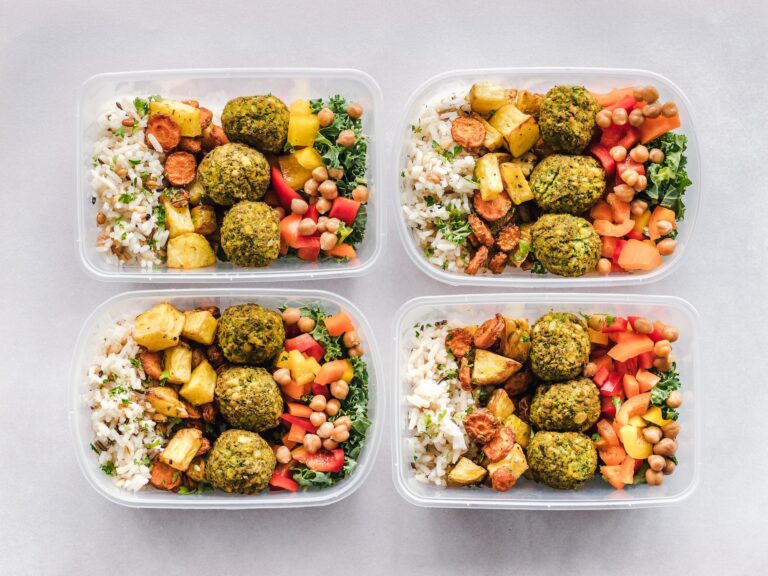
But you know, the other thing here too, is it’s not out of question that you take something with you, you know? I mean, we live in the world today where like things have to be convenient, have to be convenient. And now we have the opportunity to be resourceful. We have the opportunity, you know, they make not, not, I’m not suggesting that, you know, your construction workers do this, but I’m just giving as an example, they make coolers like for your car and you can plug it into the lighter. If you wanted to. I mean, if you really wanted to do something, you could find a way to do it. Yeah. So sometimes it’s just taking the initiative and say, you know what, I’m gonna take two minutes, two minutes the night before or the morning of, and I’m just gonna make a Turkey sandwich. And let me tell you a Turkey sandwich is a thousand times better than some tasty, sweet little snack that you’re going to get at seven 11. And all you had to invest in was two minutes and make sure that you had some of that food available. That’s it? That’s it. Yeah. It doesn’t have to be this big, you know, leap of change and effort to make a big impact on your health or just on, you know, your daily energy levels.
Riley:
Yeah. Well, yeah. I mean, you know, we’re talking, you know, the construction industry and construction workers are, are people that build and engineer some of the biggest, most amazing things in the world. Right. But when it comes to building and engineering yourself it’s hard to step back and be like oh, oh yeah. You know, I gotta do that.
Kelsey:
Building and engineering, your Turkey sandwich.
Riley:
Yeah. Yeah. Right.
Shelby McDaniel:
<Laugh> I love that. Yeah.
Shelby McDaniel:
But no, it’s so true. And you know, I work with a lot of same thing. I work with a lot of really smart people. You know, these are business owners, VIPspeople who have their stuff together, but it’s, you know, it’s like this drive, right. That makes us so successful in so many areas over life. Right. It, that can also be like, almost like our enemy at the same time. Because some, it sounds like you’re engineers, right. For example, there’s like, they know how to go at it and crush it every single day. They pedal to the metal every single day, they get it done. They get it done. I like to put that in a context of, you know, how to be Superman 24 7, and you got the laser beam eyes and you got the Cape on all of the time.
Shelby McDaniel:
But most of the time we just don’t know how to be Clark Kent. We just don’t know how to be Clark Kent, like take two minutes and you know, don’t look at it from time pulling away from your productivity. Think about what, you’re the opportunity that you’re missing to contribute to your productivity. Because if you just stop for two seconds to either make something for yourself to bring or just stop to eat hydrate, you’re gonna think better. You’re gonna work more efficiently. Right. You’re not gonna be just completely exhausted at the end of the day. So you’re gonna contribute more to the home front. Right. So there’s too many perks that you’re missing out on by not taking a few minutes of initiative to stop and take care of yourself. Because again, if you don’t take care of yourself, no one will, yeah. You have to do that. No one can do that for you.
Riley:
Yeah. And so when we approach food and, and you’ve got the nutritional effects on the back, right. And you know, there’s, there’s calories, there’s macros, there’s micros. You know, if, if you’re just, you know, trying to make, make some healthy habit changes yeah. What, what should we be looking for? You know, as far as that goes.
Shelby McDaniel:
Yeah. Well, I think you wanna, first of evolve, shop more on the perimeter of the grocery store and I’m sure you’ve heard of that. Some of your listeners have probably heard of that, but I will reemphasize that again because that’s where you’re gonna get real food. Yeah. Want high quality food is you start to get into some of the inner aisles. That’s where we get more processed carbohydrates, a lot more added sugar and a lot of chemicals and things that our bodies are just not made to take on. And so, you know, but I have obviously have a pantry of foods that have nutrition labels and stuff like that. So we have to be realistic. That’s just, that’s not where everybody is right now. It’s not where everybody’s gonna be tomorrow. So here’s what I, I would advise one look for the added sugars, right.
Shelby McDaniel:
We look for the added sugars, make sure that it’s minimal to zero. And then I would look at the ingredient list. Right. And what are the first couple ingredients, cuz that’s what you’re gonna get the most of in that particular product. And if it’s something fake, I wouldn’t go for it. It should say like brown rice flour. Right. Simple, the ingredient list should be short. And you know, and sometimes that’s frustrating cuz as you start to go on this sort of label sleuth sort of mission, you find that gosh, like this stuff is filled with just stuff. Yeah. And you never realized it before, but that’s a good thing. That’s a good thing that you’re learning that.
Kelsey:
So when it comes to budget, that’s a huge thing that we wanna factor in as well. People and myself included when I think of unhealthy versus healthy, I would think that healthy eating costs more is, is that true? And how can people eat healthy on a budget if you know that’s a huge goal. Yeah.
Shelby McDaniel:
Well I think that, that’s definitely a good question. I think that there’s some things that sure will cost more and there’s some things that won’t. Yeah. So I, I think that I would get it outta your head if you think, well, I can’t eat healthy because it’s too expensive. That’s just a belief. It’s a lie. Maybe we’ve heard or we’re telling ourselves. And again, we’re, we’re missing out on the opportunities to find, well, what is budget friendly that is at least a step healthier or you know, kind of an ultimate option for us on a daily basis. Another way that you can look at this too, is if there are some things that might be a little bit more costly upfront, and I would say it would probably more in the realm of like maybe some higher quality meats might you probably find a little bit more costly, but you know, there’s a good return on that investment.
Shelby McDaniel:
So there might be a little upfront cost sometimes, but you know, you’re gonna have a lesser of a cost on the back end because you’re gonna have less of the medical bills. Right? Sure. And not just about money, like there’s also a cost of not investing in those quality foods. Because again, what you put in your body impacts more than just weight. It’s your sleep, it’s your digestive, it’s, it’s your immune system, right? It’s hormones. We, we need those foods. So, and again, we live in this world today, right. Where it’s all about being resourceful. It’s all about being resourceful. I mean, you can freaking have done for you. High quality meals delivered to your front door if you really wanted to mm-hmm <affirmative> okay. And you could have that done and it would be worth it because you’re not getting all this other crap that makes you feel lousy.
Shelby McDaniel:
That ends up causing you to eat more. Anyway. <laugh> like, you know what I mean? Yeah. Remember high foods, you don’t need as much of it. You will be satisfied with less. So when you compare that to the poor processed foods where it’s causing you more cravings, it’s causing you to eat more, it’s causing maybe some binge episodes for people, overeating episodes for people. Okay. you know, having more of this craving for sugar, those things are gonna cost you. You better believe it. Yeah. So we have places like Aldi’s today. Have you guys ever been to Aldi’s?
Riley:
No. I’ve never been to one. I do. We have one here in Seattle. I don’t even know. Yeah. I don’t know.
Shelby McDaniel:
Okay. So I want you to check out Aldi’s okay. I want anybody who hasn’t been there to check it out. I was, I didn’t know what Aldi’s was either for many years. And I thought like, it was like really crummy foods that were in there. But Aldi’s has really changed their inventory to be a lot of very healthy food, but at a much lower cost. You can get a lot more organic foods cheaper than non-organic foods in a typical grocery store. Wow. So that’s where a lot of people do find shopping to be a little bit more budget friendly is at places like Aldis versus going to whole foods. I live out in the country. So the nearest whole foods for me is like 50 minutes away and it’s beautiful and it’s luxurious. You’re also gonna pay for that. So again, it’s just about, you know, being resourceful, but Google is your BFF right now. Google Budget friendly, healthy snacks or Healthy snacks on a budget. It takes five. So again, if you’re telling yourself it’s too expensive, I don’t have a chance. You’re gonna miss that opportunity to take five minutes. You’re gonna get a couple ideas in just that time investment.
Kelsey:
But I do have a recommendation. Walmart does, Walmart does have really great prices and they have healthy foods that you can find there. But what really was a game changer for me was their grocery pickup app. Like you can order it and then you just drive and they load the groceries in your car and you leave and it’s so easy and you just have to, you know, prep the order, you know? Yeah. Night, the day before the night before whatever. And then like pick it up on your way home from work. And it just, I mean, I, the thought of going to grocery stores, sometimes I just, it, I don’t know what it is. It just sometimes feels just insurmountable. Like I do not wanna go to the grocery store, but just picking it up on the way home.
Shelby McDaniel:
Absolutely. That’s being resourceful and I feel you again, I live in the country. So like, Walmart’s the place to be like, that’s shop lucky for me. Next door is Aldi’s. So I get the best of both worlds. Yeah. it comes to more affordable produce and, and stuff like that and buying things that I probably don’t need, Like you go in for five things and you come out with 10 kind of thing. But you know, if I could just add to, you know, to make all of this come to fruition here, the individual has to have a reason and it can’t be just “a should”. Like it has to be something meaningful. So otherwise you’re not gonna do it. You’re not gonna wanna make these changes. So that what called, why? Like that Why has to be something that’s non-negotiable.
Shelby McDaniel:
That’s very internal and it doesn’t, you know, it doesn’t have to match up what we feel it should be. You know? So if someone’s motivation to wanna get healthier is, I don’t wanna, you know, miss out on my grandkids, even though my son’s only eight, I don’t, I don’t wanna miss that part. Like maybe his dad was, was gone too early, something like that. Right. Missed out on his kids. Maybe it’s something else in, you know, in its entirety, whatever that is, it is. But you have to find that because otherwise if you’re doing it just to please, somebody else forget it, you’re gonna find a reason to not do it.
Riley:
Yeah. I think that’s, I think that’s so important and, you know, and talking about, you know, investing in yourself, but investing in your family when, when I got to job sites, like what I find is people love talking about their kids. And you know what they did over 4th of July or, you know, their, their son or daughter’s baseball tournament, you know, and you’re, you’re not only investing in yourself, but you’re, you’re investing in your family’s health and then you’re passing on healthy eating habits to your kids.
Shelby McDaniel:
Many of the individuals that I work with are 1000% influenced by how their mom and dad or significant, family member ate, you know, whether that’s to clear your plate because you don’t waste food kinda thing or, you know, healthy food, just, wasn’t very popular in that household, whatever it is, you are passing it on. So again, whatever that I think is a great point, it maybe has nothing to do with you. Maybe it is about your family. Maybe it is about somebody else, but you have to grab onto that and really make that, put a reminder, put a picture somewhere if you have to. And that might sound silly, but we’re human. We all get distracted. So sometimes a good visual reminder or quote or something like that, and be really helpful as a reminder, why am I doing this?
Riley:
Yeah. You probably agree with the statement, but it’s, you know, it’s very much a holistic approach, right? I mean, we’re, we’re talking about healthy eating habits, healthy you know, family, life, home life, those external factors probably play a huge role in your day to day eating, and that’s where that whole mind body approach, right. It’s a holistic approach that we gotta have.
Shelby McDaniel:
Yeah, absolutely. 100%. That’s where again, nutrition, knowing what to eat is only kind of half the story, but we’re not taught that. Yeah. We’re taught it is the whole story. And that’s where, you know, people run circles around dieting for years. It’s like, oh, it must be me. It must be me. No, we’re, we’re, you know, we’re emotional eaters. There’s more that goes into our eating than just facts. So, you know, what people are missing is, you know, different that’s what I do is I help people kind of fill those gaps.
Kelsey:
And a lot of our team have families that they live with and I’m sure have meals together. And so if someone wants to shift their eating habits, it’s prob it’s probably going to affect more than just themselves. How do you recommend they, people go about that? You know, maybe I could see that being a roadblock just not everyone is on the same page as you like their why is not there. Yeah. Then how do you navigate that?
Shelby McDaniel:
Yeah. That’s a, that’s a really good question. You know, just because you wanna change doesn’t mean that everybody else has to change with you. I mean, would that make it easier probably. Right. But it doesn’t make it impossible. You know, oftentimes I’m kind of the only person at the time when an individual’s ready to change, it’s one reason why, you know, they’re, they’re seeking help is because they, they need that support system. They need to have different kinds of conversations that are productive in terms of health. Right. And, and improving their health. If you wanna change how you are taking care of yourself, you just don’t use the excuse of, “well, the lack of participation is stopping you because I can’t do it because, so, and so is not doing it”. Cause everybody, like you said, everybody’s kind of in a different space.
Shelby McDaniel:
Everybody has their own journey with food. So, and it is difficult though, when one person is like, you know what, I wanna make some changes and the other one’s like, not ready for that yet. So, but I don’t think that there’s a need to always make two separate meals all the time., fyourself and then for your family more than likely, it might be a matter of just tweaking kind of what you’re currently doing. Right. Again, it doesn’t have to be this massive overhaul, little changes in your meals can make a big difference. So sometimes just some simple swaps will be helpful. For example, if the family’s used to having spaghetti and meatballs, all right. You could, it’s not that you can’t have carbs. Maybe you just look at having a little less of them or include a salad with that.
Shelby McDaniel:
Or you could easily just pick up. And these are things that you learn over time. Okay. So I’m pulling this off the top of my head, because I’ve been doing this for 20 years, but find these things out, you know, very quickly as you kind of get in there because you’re looking now you’re looking for what other options are there. They’re right there. You just haven’t been looking yet. Right. So, but a quick swap in that example would be, “well, let me just get a microwaveable steamable bag of zucchini spirals.” Oh yeah. You put the microwave, you drain it and then you put, you put yours spaghetti sauce in tomato and meatball on top fun. Okay. So it’s these little tricks, like you said that as you start to look for them, you can, you can apply it. Crockpot meals I think would be a very easy sort of transition.
Shelby McDaniel:
No matter who, who is doing the cooking because crockpot meals you can make it in bulk. You know, everybody’s happy. They’re very visually appealing and they’re also really tasty. Like you can get some really awesome crock pot meals that whether somebody’s on a health journey with you or not, they’re gonna like them. Yeah. So you can Google some really great healthy, crock pot recipes that the whole family will love. The one thing that I’ll just say, let’s say, you know, someone is teaming up with their significant other and they’re like, you know what, let’s do this together. And this really awesome thing. One thing though that I would do is just respect others that are trying to make attempts to improve their eating habits. I would really caution that you don’t get into the habit of saying, should you be eating that?
Shelby McDaniel:
Because look, everyone’s gonna go through what they gotta go through to get where they wanna go. And if you just think that they’re gonna be thinking exactly like you do and should be doing exactly like you do, like forget it. You’re gonna get into arguments. So trying to nag them is only gonna make it harder. And you also wanna watch for some kind of codependency behaviors. Like, well I’m feeling bad and I wanna stuff my face with Cheetos kind of thing. And you know, your partner’s working really hard. Don’t invite them in to be like, Hey, do you wanna come do this thing with me? Like, why would you wanna wanna do that? And vice versa, don’t, don’t join them if they wanna do that. That’s their choice. Let them, they’re gonna have to work through their own stuff. That’s okay. You know, just support them as best you can. But that doesn’t mean that you have to do it with them because they’re doing it and then nobody’s getting anywhere. You can learn and grow from each other. That’s how you support each other.
Riley:
Yeah, absolutely. I’m I married a, a gluten and dairy intolerant free woman. So oh, I, my whole life changed. So you know, every soft and you know, I got a bag of treaded cheese, so I’ll add some, some cheese to the meals, but generally speaking, we’re just making one meal. Right. And it’s usually gluten dairy free and it, it took some time to get used to but I, I find that the taste isn’t compromised with how we’re cooking.
Shelby McDaniel:
Exactly, exactly. And so, you know, one thing I would add is where do I even start as far as, what do I look for? Like where like literally, like how do I find foods or recipes? And I, again, here comes our friend, Google. I love Google because Google is one of the best resources for us. Sometimes we can get a little too overwhelming, right. Cuz then we could research everything and then we get caught up in too much information. But what I would suggest again, if we’re looking for real food, right? We just want high quality food that tastes good. If it tastes good, like it’s gonna be a bonus it’s high quality. Right. So I like to recommend my clients to use search terms like whole 30. Okay. W H O L E 30 or paleo. And not that I’m recommending, they do those diets.
Shelby McDaniel:
There’s very, you know, more restrictive diet plans that you know, is being pushed and there’s, there’s good intentions. But at the end of the day, it’s still the diet and it’ll still create diet rules. So the only reason I use those in search terms is because there’s gonna be no ifs or buts about what kind of search results you’re going to get. You’re gonna get high quality foods. So search for things like whole 30 crockpot ideas. Whole30 snack ideas or add some search terms like beginner, whole 30 breakfast ideas, easy or fast paleo snack ideas. And again, it just takes a few minutes of being resourceful and you got it. You just got to go get it. You gotta order it however you wanna do it, but it’s all within your reach. So if you’re looking for it, you’ll find it as long as you stay resourceful, but you don’t need this.
Shelby McDaniel:
“I Have to do a makeover of every single thing that I’m doing in the next 24 hours. And I have to put it all in color code and containers overnight.” No, just start with one thing, start with one thing. Maybe that is a breakfast. Okay. Start there. If everything else and the rest of your day still remains the same, guess what? You still took a step forward and then you’ll add more from there. So take your time be patient because really changing your lifestyle, your eating habits. It’s not a linear process. It’s not a linear process.
Riley:
Yeah. Yeah. And, and to go along with the food hydration I just wanna talk about hydration for a little bit. Yeah. So I’m not gonna call it this person by name. But does, does root beer count as hydration?
Shelby McDaniel:
<Laugh> well, I hope my giggle gave my answer away.
Shelby McDaniel:
High sugar drinks like that even Gatorade right. Can actually be very dehydrating. Oh. And not only that, you know, when you’re eating, you’re drinking root beer, like for during the day, all you’re doing is spiking your blood sugar. Okay. And so when you’re, when your blood sugar is spiked your body now has to release insulin. And that’s where, when you spike your sugar all the time and you abuse that over years and years, that’s where it’s very easy to develop adult onset diabetes because your body stops responding to your insulin, cuz it’s like, I’m tired of doing this stuff. They’re not responding anymore. I can’t regulate my sugar anymore. So, but you also have energy crashes with just sugary drinks, even oh, what’s it called?
Shelby McDaniel:
Like the smoothie machine or something like that. Naked juice or something. I think it’s, is it naked machine naked, something like that? Health. But if you look at the back of it, it’s like 40 grams of sugar all at once. Being dumped. And so we just wanna watch that’s where you just bring awareness to the food labels. It’s too much sugar at once, so it will be dehydrating. It will only take you further away from having optimal energy things to really help you stay hydrated would just be water that if that’s boring, put some lemon in itYou could also do things like coconut water, coconut water is very hydrating, has some really vital electrolytes. That’ll be a much better substitution than something like root beer.
Riley:
Is there a like, you know, I’ve heard like, oh, you should have eight cups or this many ounces per body weight. I mean, is there a, a, an industry standard on how much water you should drink
Shelby McDaniel:
Well to each individual is different and that might sound repetitive because it’s just true.
Shelby McDaniel:
I’m five, two, and if somebody is much taller than me and has, you know, a bigger body, more muscle, it’s gonna, they’re gonna require more water than me. And you also have to take note of where you’re starting at. You know, I have a client who she was doing like 16 ounces, a day of water. I’m like, you’re like, I don’t know how you’re not on the floor.
Shelby McDaniel:
She wanted to go to like jump from 16 ounces to a hundred ounces and I’m like, whoa, hon, you’re gonna be like peeing every two seconds. If you do that, and that’s gonna feel like you’re drowning yourself in water. So again, what’s a step. So I would say for most humans, minimum 64 ounces would be like, here’s like, absolutely. Non-Negotiable if you’re not, if you’re not doing that right now, it would be a good starting point. But aim higher than that. Your urine should be as you , go to the bathroom throughout the day should be more clear or straw colored. And if it’s not, and more than likely, if it’s not, then you’re probably not even going frequently enough. And so that’s your signs of, you know what, I need to get a little bit more hydration in and just start bumping it up a little at a time. Some people do really well with goals. So if you have a water bottle, instead of just winging it and waiting for water to come to you, take a water bottle to work. And say, you know what? I wanna get this 16 ounce water bottle in by noon, making little small goals like that will keep your eye will keep your eye on the prize.
Riley:
Yeah. And we’re not talking about chugging two bottles in the morning and calling it a day, right? I mean, we’re doing consistent drinking over the day.
Shelby McDaniel:
Right. And because what happens if you don’t get it during the day, you’re more than likely gonna feel like you need to do it at night and then you’re gonna be up at night going to the bathroom. And then here we, now we have lack of sleep, which also influences our health. Right? Yeah. Sleep is so crucial. And, and many people overlook that in terms of how do I become physically healthy and emotionally healthy. Right? You have to sleep. You gotta know how to turn it off at night. Sometimes that’s where the work needs to be done. Well, how can I wind down a little bit better? Because I’m thinking about what I gotta do in the morning. And I gotta think about this and I get it. Like I own two businesses. So it’s like, how do I, it it’s a skill, right? How do I learn to shut that off? But sleep is absolutely vital to everything about our health. Cause we don’t sleep. Everything is stressed. And when we’re stressed, we’re releasing cortisol, releasing insulin. We’re really not aligned with our body. Our appetites off. Our cravings are off. And you know, we’re provoking more and more and more inflammation, inflammation and inflammation is really at the root of essentially any disease.
Kelsey:
And for people who want more support or want to continue this, but think that they just need a little more support than just this podcast. What, what do you offer and like what steps do you recommend that they take in general? If you know?
Shelby McDaniel:
Yeah. Well, I have a feeling, well, there’s a couple ways that, you know, people can go about this. It really depends on what their needs are. Some people just need some education, but I have a feeling it’s probably gonna be more in that mindset realm, right. That we’re gonna need to do the most work because you could Google what foods are healthy and you’ll get, you know, all the information in the world. What I would doyou can visit my website, it’s www.shelbymcdaniel.com. I have some free resources there, especially if you are struggling with things like overeating or binge eatingPeople’s goals and what they tell me are really profound. Like if you feel I had one person say, I just feel like I’m a slave to food.
Shelby McDaniel:
Feel like I’m a slave to food. Like I try to eat right. Then it just drags me in and I can’t control myself that that’s really, really common. Most people don’t talk about it. Okay. Sowhat you can do is just,take advantage of some free resources that I offer on the website. I do offer coaching in multiple formats. One of the things I’m most proud of,that’s kind of new within the last year is, we really developed,what we call the diet freedom membership and what this is, is just a super low, super budget friendly where we’re talking about budget friendly, ike all in one hub to help you with your eating. So we work on what you eat, but also why you’re eating and all these other behaviors that just aren’ working for you and you can become a member and myself and other coaches were involved in that and we really chip in and, and help you, but you can find out more information on the website.
Riley:
That’s awesome. Amazing. Yeah. And it’s not just the east coast, right. Us here in Seattle can take a advantage of this, which is great
Shelby McDaniel:
From all over the world. So it’s not just in the U.S. So absolutely
Riley:
Awesome. Yeah. Great. Well Shelby, thanks for coming on the show. It’s been really great to have you and, and I’m, I’m really excited about this one. I think it’s gonna inspire a lot of people.
Shelby McDaniel:
Good. Sure. Thank you for the opportunity to share a positive messag